The Complete Site Prep Checklist Before You Build a Home
Site Prep Made Simple
Building a new home is an exciting milestone, but before construction can begin, proper site preparation is essential. A well-prepared building site helps ensure a smoother construction process, reduces costly delays, and creates a solid foundation for your future home. From clearing the land to verifying utility access, every step of site prep plays an important role in the success of your project.
If you’re planning to build a new home, here’s a complete site prep checklist to help you get your property construction-ready.
Conduct a Land Survey
One of the first and most important steps in site preparation is having a professional land survey completed. A survey clearly defines property boundaries and identifies important site features such as:
- Easements
- Utility lines
- Elevation changes
- Flood zones
- Existing structures
A survey helps prevent future property disputes and ensures your home is positioned correctly according to local zoning and setback requirements.
Verify Zoning & Permit Requirements
Before any work begins, check local zoning regulations and building codes to confirm that your planned home can legally be built on the property.
Important items to verify include:
- Setback requirements
- Building height restrictions
- Lot coverage limits
- Septic and well regulations
- Environmental restrictions
You’ll also need to secure the appropriate permits before excavation and construction can begin.
Evaluate Soil Conditions
Soil quality plays a major role in determining how stable your home’s foundation will be. A soil test or geotechnical evaluation helps identify:
- Soil composition
- Drainage capability
- Load-bearing capacity
- Potential erosion issues
Poor soil conditions may require additional grading, compaction, or engineered foundation solutions before construction starts.
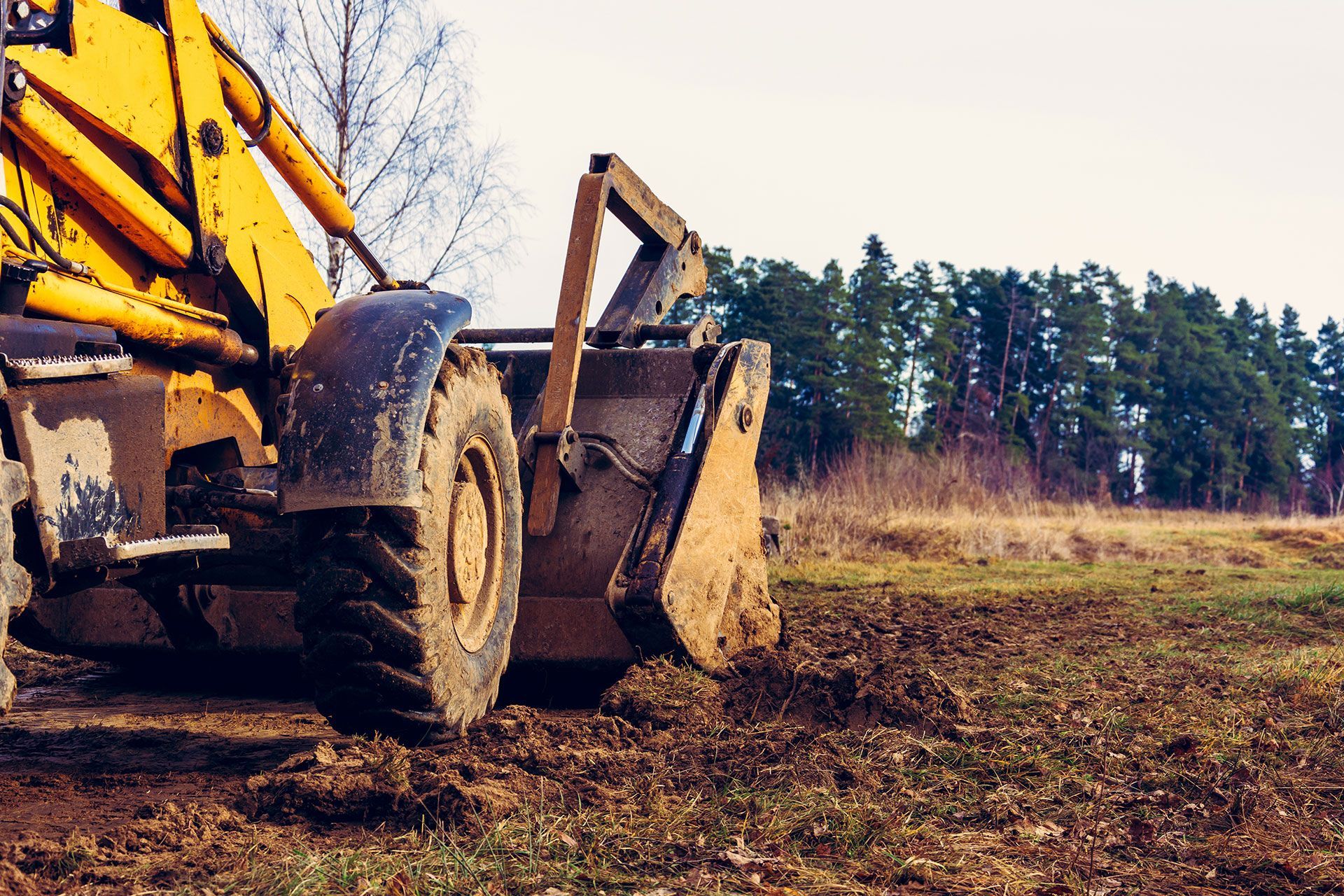
Clear the Land
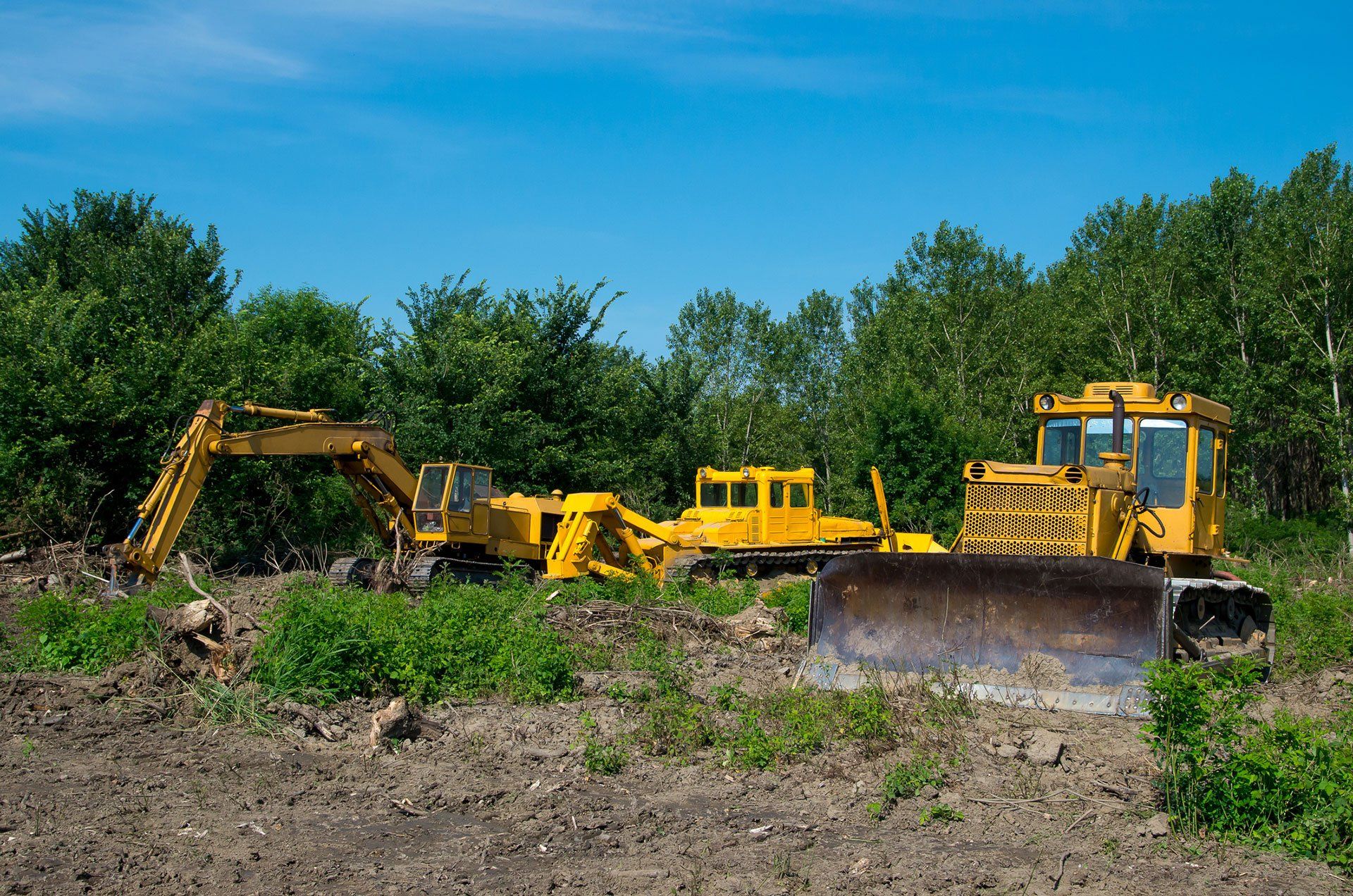
The building site must be cleared of obstacles before excavation and foundation work can begin.
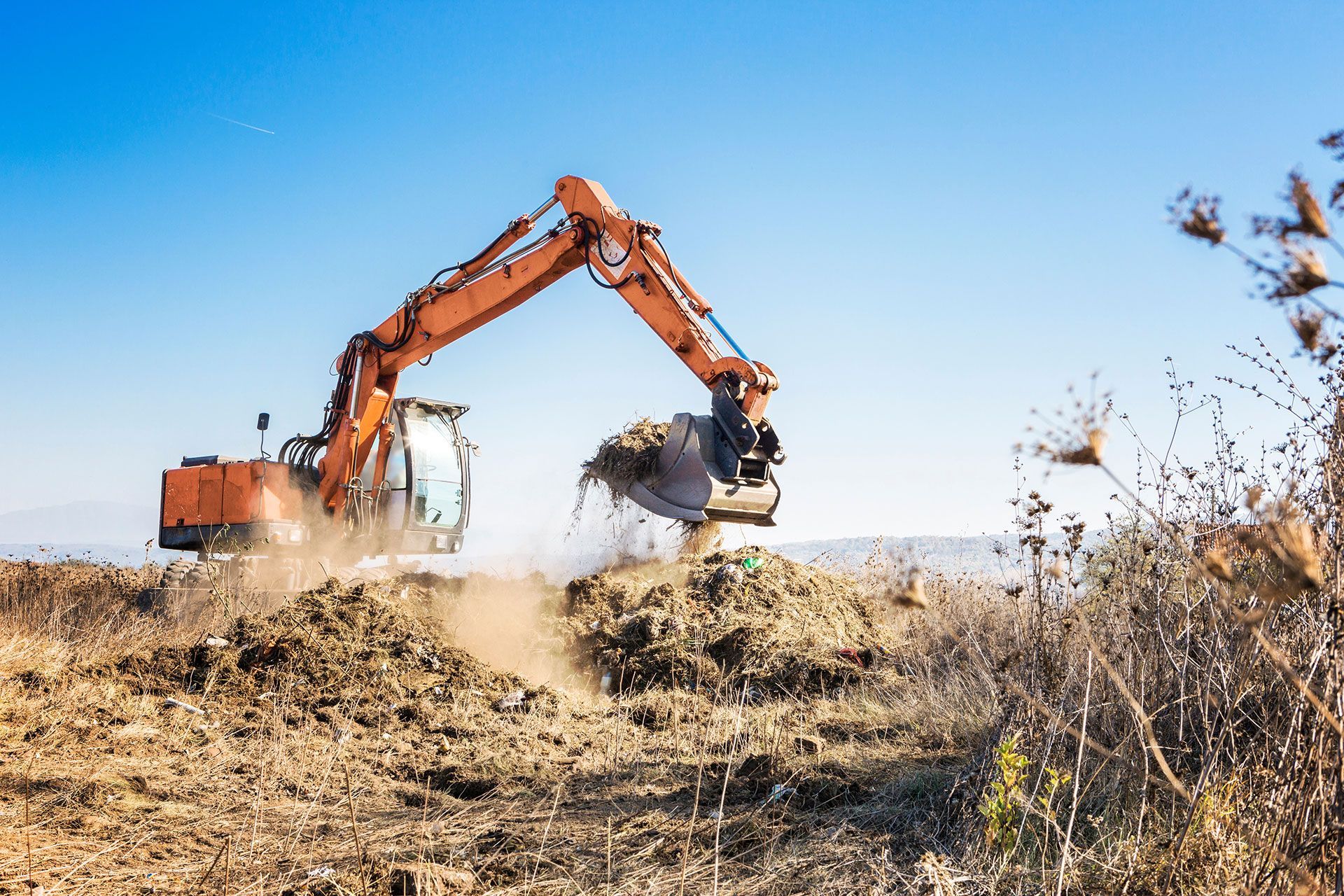
Land clearing may involve:
- Removing trees and stumps
- Clearing brush and vegetation
- Demolishing old structures
- Removing rocks and debris
Professional land clearing helps create a safe and accessible construction site while minimizing environmental impact.
Plan for Proper Drainage
Drainage is one of the most critical aspects of site preparation. Poor drainage can lead to water pooling, foundation damage, erosion, and basement moisture problems in the future.
A proper drainage plan should address:
- Site grading
- Water runoff direction
- Retaining walls if needed
- Stormwater management
- Gutter and downspout drainage paths
Ensuring water flows away from the home is essential for long-term structural protection.
Establish Site Access
Construction crews, heavy equipment, and material deliveries all require safe and reliable site access.
Site access preparation may include:
- Installing temporary driveways
- Creating construction entrances
- Clearing access roads
- Providing space for equipment staging
Good site access helps keep the project organized and minimizes disruptions during construction.
Confirm Utility Availability
Before building begins, determine how your new home will connect to utilities.
Key utilities include:
- Electricity
- Water service
- Sewer or septic systems
- Natural gas or propane
- Internet and communication lines
If utilities are not readily available, additional trenching, permits, or infrastructure installation may be required.
Install Temporary Utilities
Construction sites often require temporary utility services before the home is complete.
Temporary setup may include:
- Temporary electrical power poles
- Water access for construction crews
- Portable restrooms
- Temporary fencing or security
These services help contractors work efficiently and safely throughout the building process.
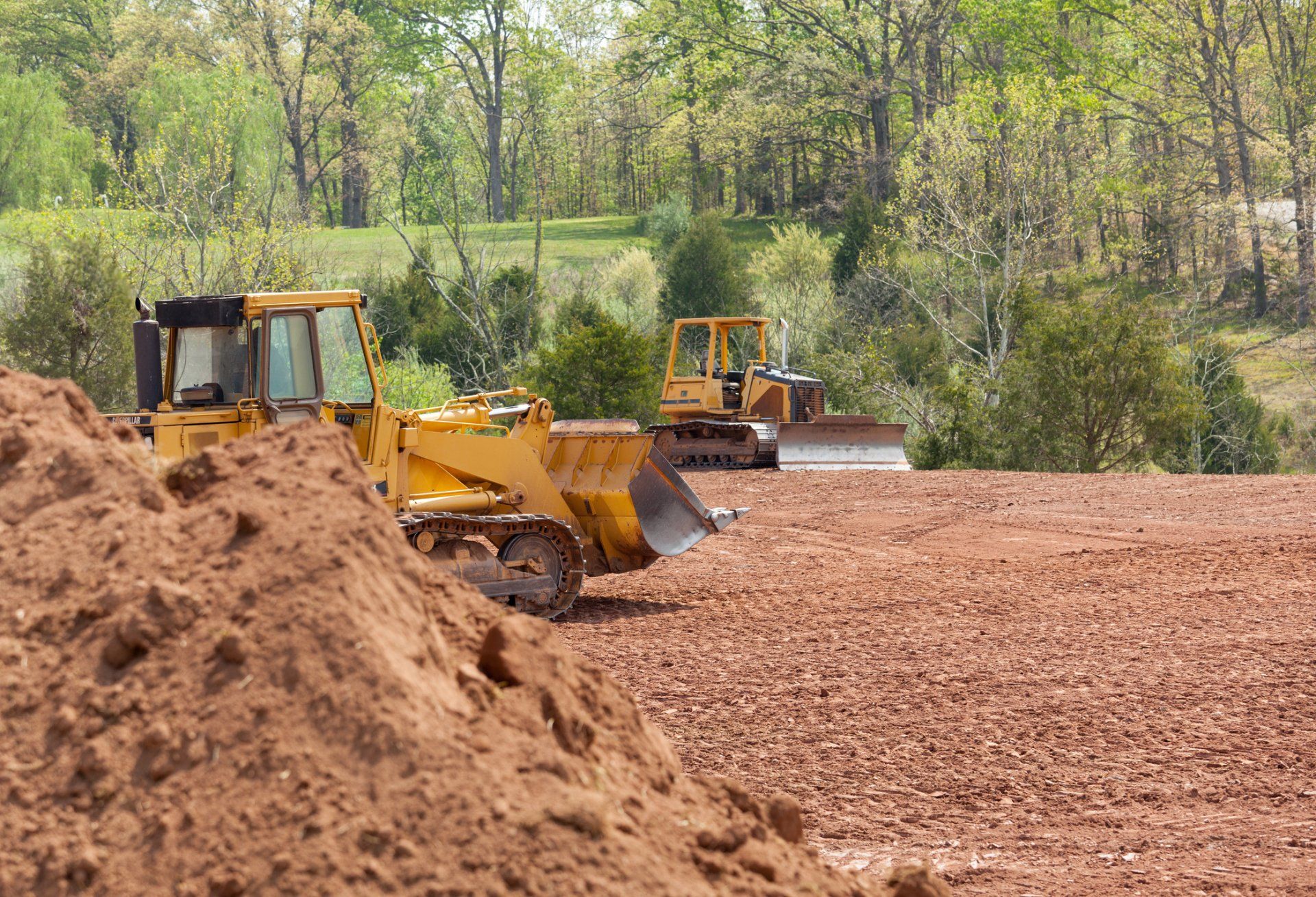
Prepare for Excavation & Grading
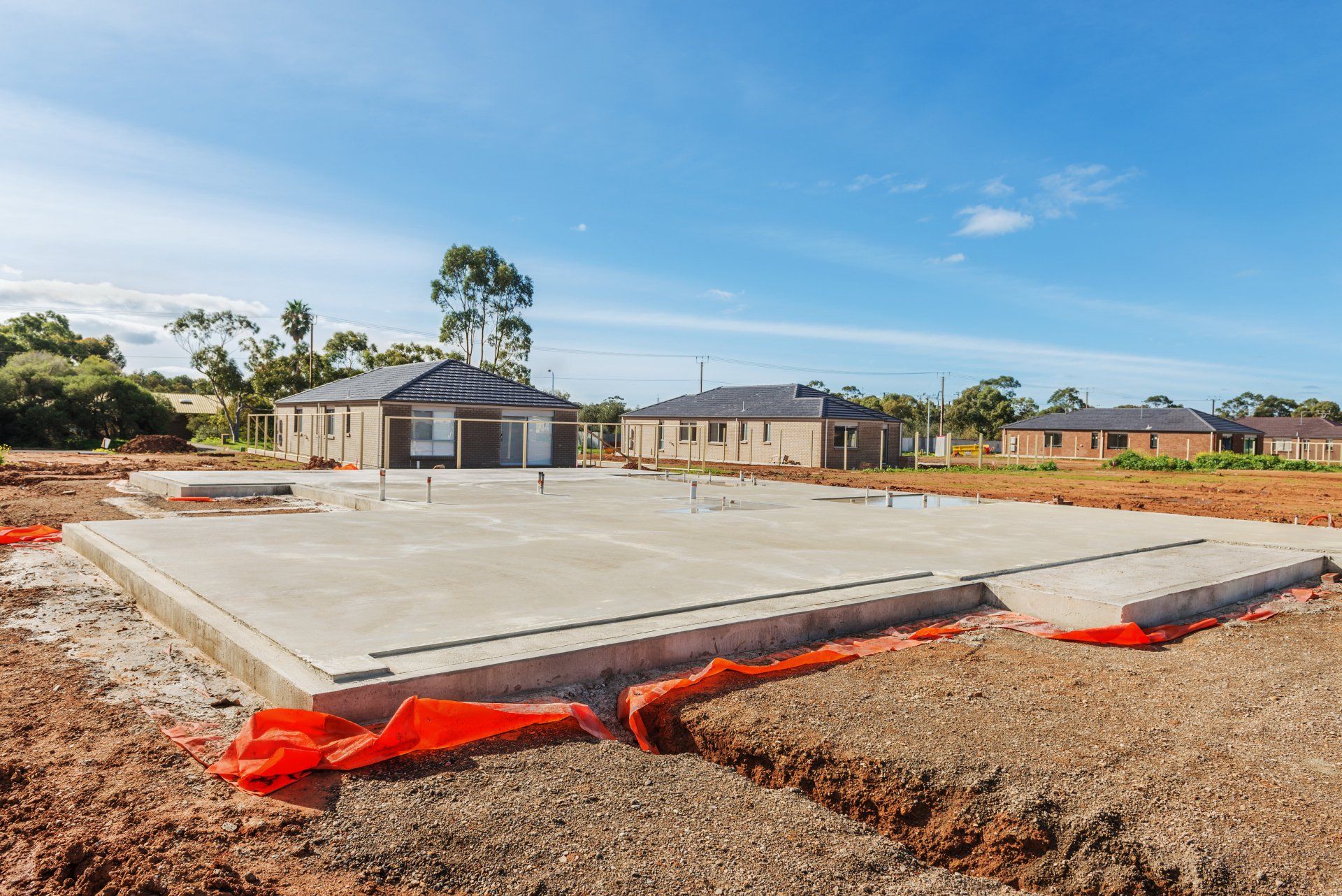
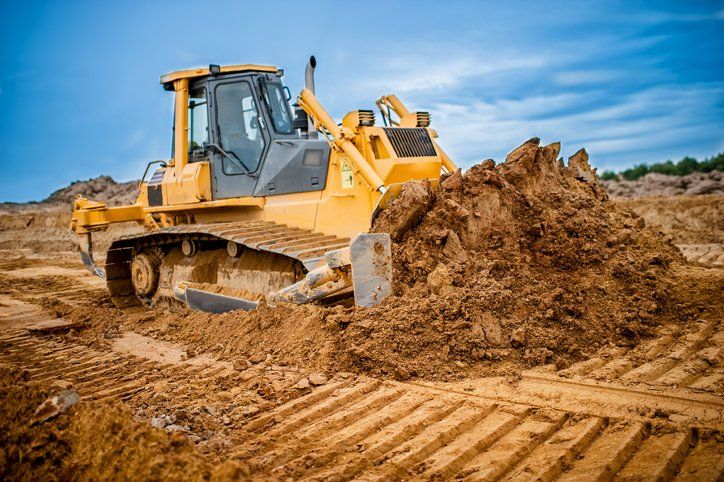
Excavation and grading create the foundation footprint and establish proper elevation levels for the home.
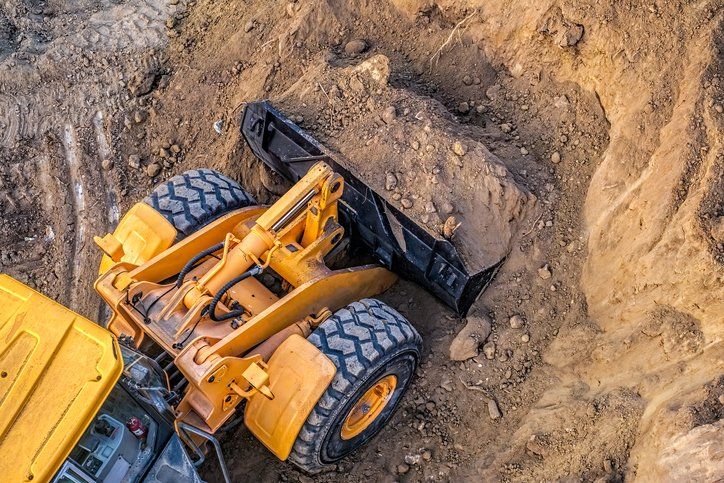
This phase may involve:
- Digging foundation trenches
- Leveling uneven ground
- Compacting soil
- Creating slopes for drainage
- Preparing basement or crawl space areas
Proper grading is essential for both structural stability and water management.
Protect Existing Trees & Landscaping
If you want to preserve mature trees or natural landscaping features, it’s important to plan ahead before construction begins.
Protective measures may include:
- Tree protection fencing
- Root zone barriers
- Designated equipment pathways
- Erosion control measures
Preserving healthy trees and landscaping can improve curb appeal and increase long-term property value.
Address Erosion & Environmental Concerns
Construction can disturb soil and increase erosion risks, especially on sloped properties. Many municipalities require erosion control measures before work begins.
Common erosion control methods include:
- Silt fencing
- Straw wattles
- Drainage swales
- Sediment traps
- Temporary ground cover
Environmental planning helps protect nearby waterways and keeps your project compliant with local regulations.
Contact Our Site Prep Specialists to Request Support
Site preparation is the foundation of every successful home-building project. Taking the time to properly evaluate, clear, grade, and prepare your property can help avoid costly problems later and keep your construction project running smoothly.
Once you're ready to jumpstart the site prep process, don't hesitate to contact one of the friendly representatives at All Tractor & Site Work, Inc. Thanks to our certified team members, it's never been easier to set the stage for success!