Land Clearing for First-Time Property Owners: What Nobody Tells You
From Raw Land to Ready Site: Land Clearing Insights for Property Owners
Buying your first piece of land is exciting—but what comes next often catches people off guard. One of the very first (and most misunderstood) steps is land clearing. On the surface, it sounds simple: remove trees, brush, and debris so you can build or landscape. In reality, it’s a complex process that can impact your budget, timeline, and even the long-term health of your property.
If you’re a first-time property owner, here’s what nobody tells you about land clearing—and what you need to know before you get started.
What Land Clearing Really Involves
At its core, land clearing is the process of removing vegetation, trees, rocks, and other obstacles to prepare a property for development or use. But it’s not just about making land look “clean.”
It also includes:
- Stump removal and root extraction
- Grading and leveling
- Soil preparation and drainage planning
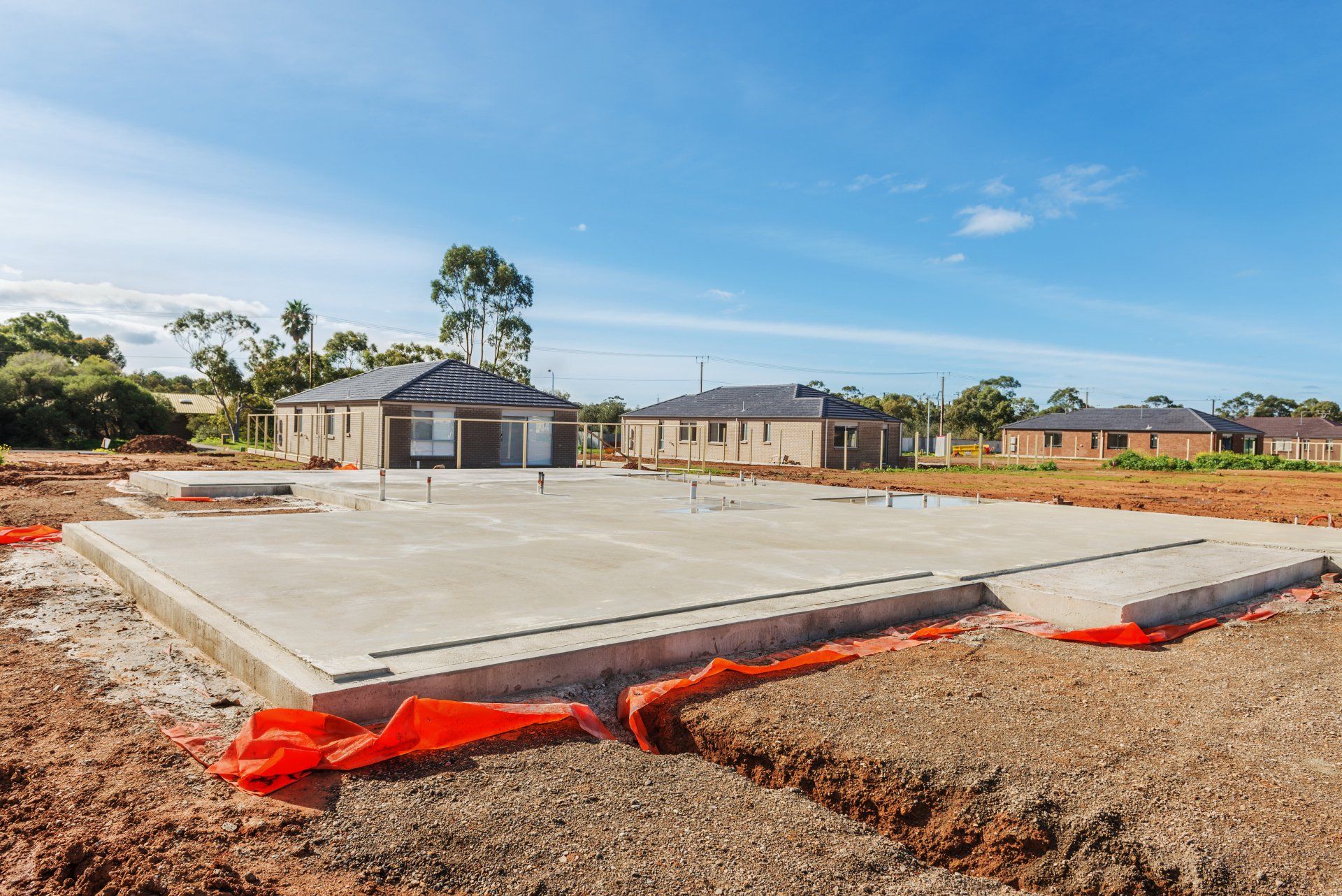
Done properly, land clearing creates a stable foundation for construction and helps prevent costly issues like poor drainage or uneven settling later on.
1. It’s Not Just About Cutting Trees
Many first-time owners assume land clearing is just tree removal. In reality, trees are often the easiest part.
What surprises most people:
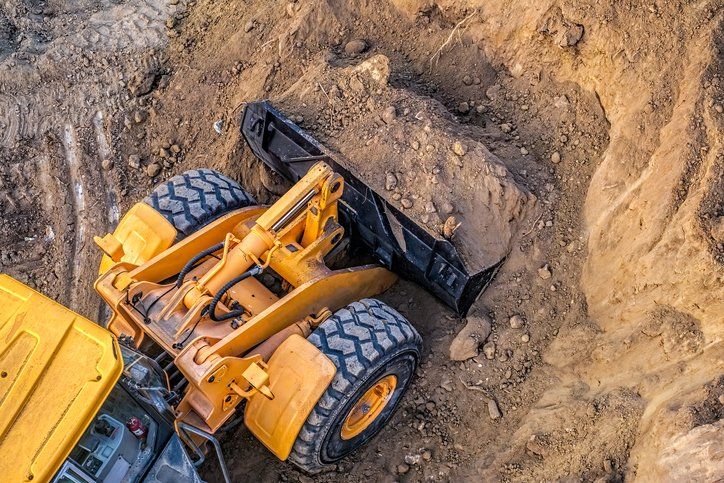
- Roots and stumps are the real challenge. If left behind, they can cause future structural problems.
- Hidden obstacles like large rocks or buried debris can delay projects.
- Uneven terrain may require additional grading work.
Professional land clearing addresses everything above and below the surface—not just what you can see.
2. The Method You Choose Changes Everything
There’s no one-size-fits-all approach to land clearing. The method you choose affects your cost, timeline, and even soil health.
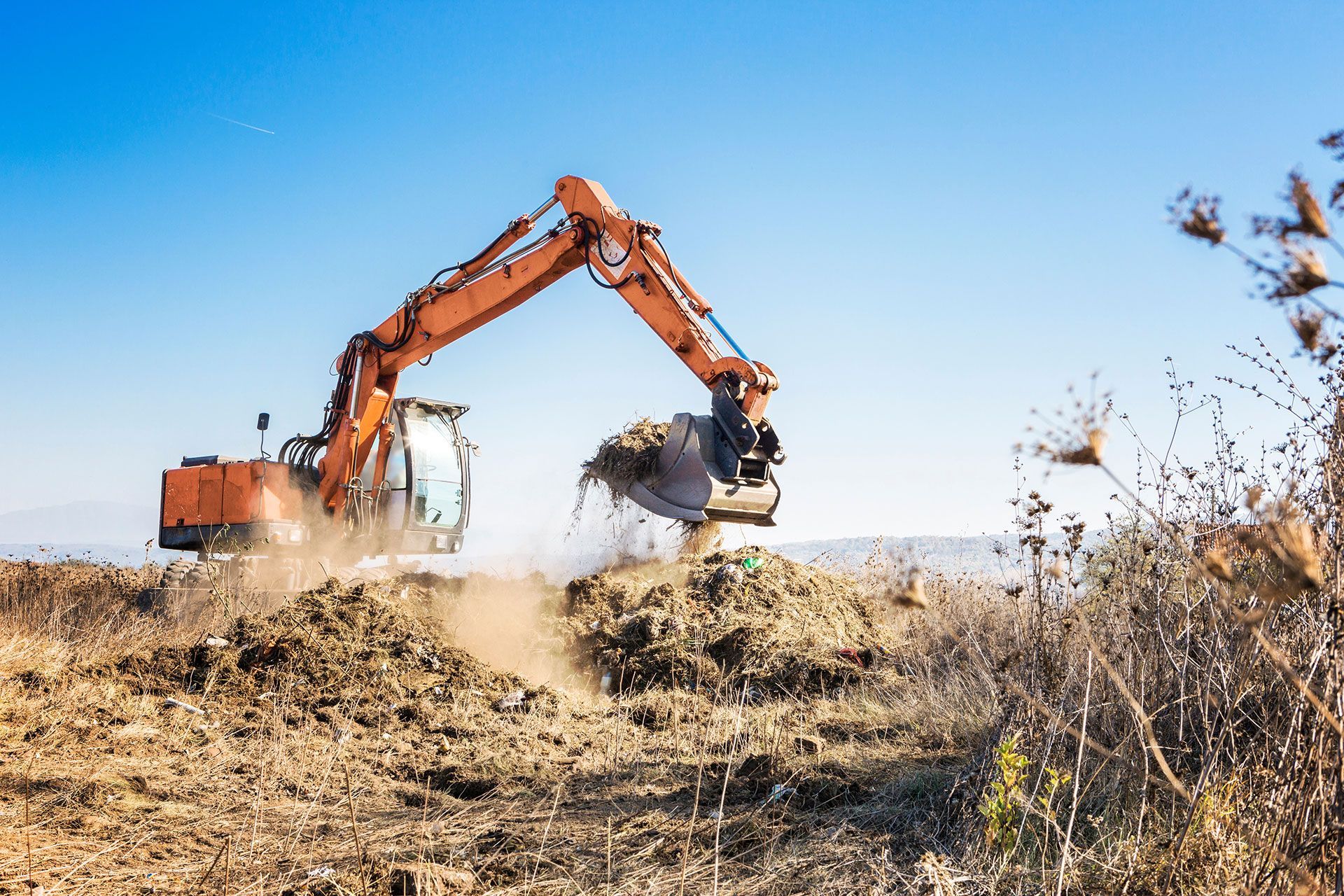
- Forestry mulching: Grinds vegetation into mulch, preserving topsoil and reducing erosion
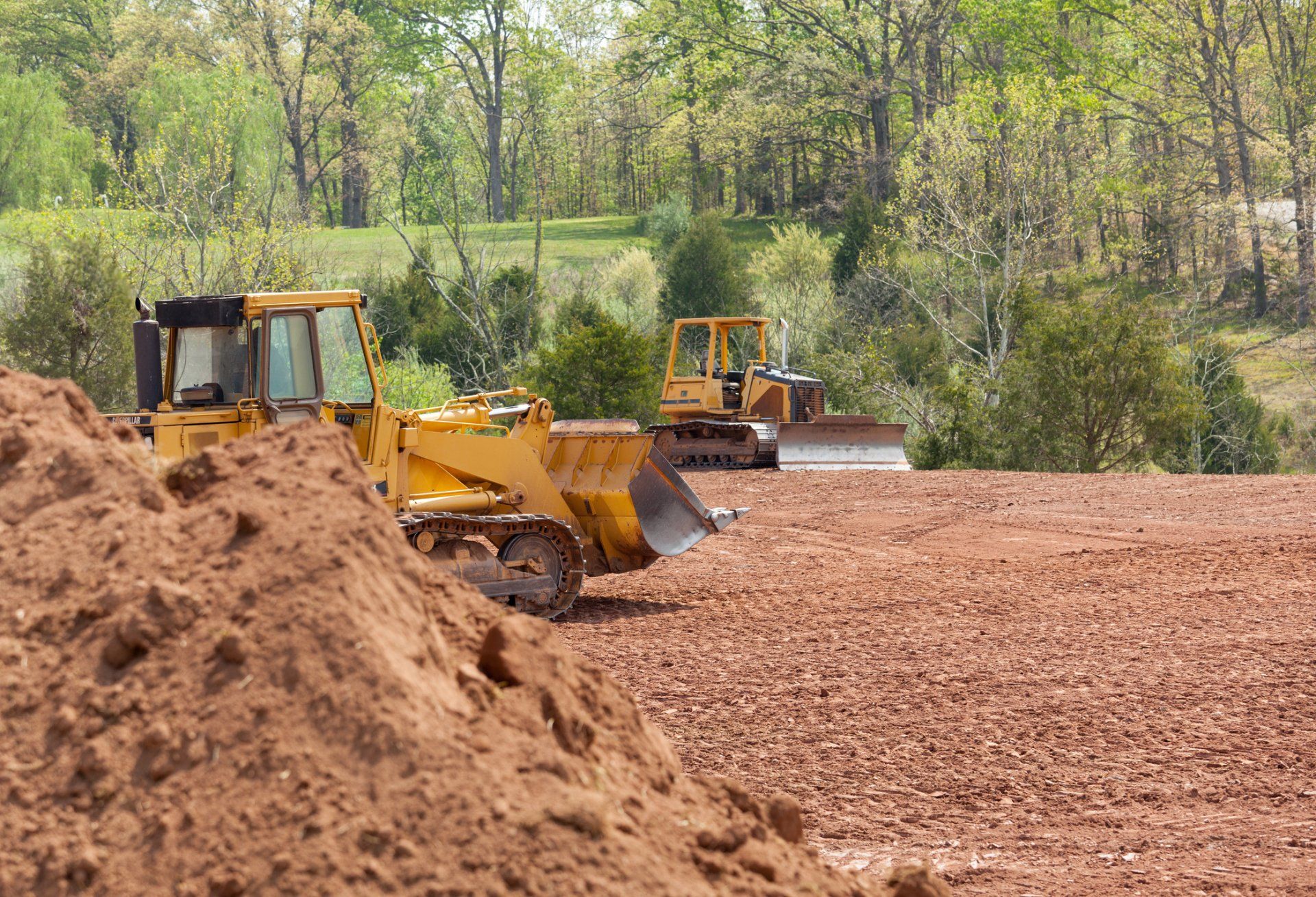
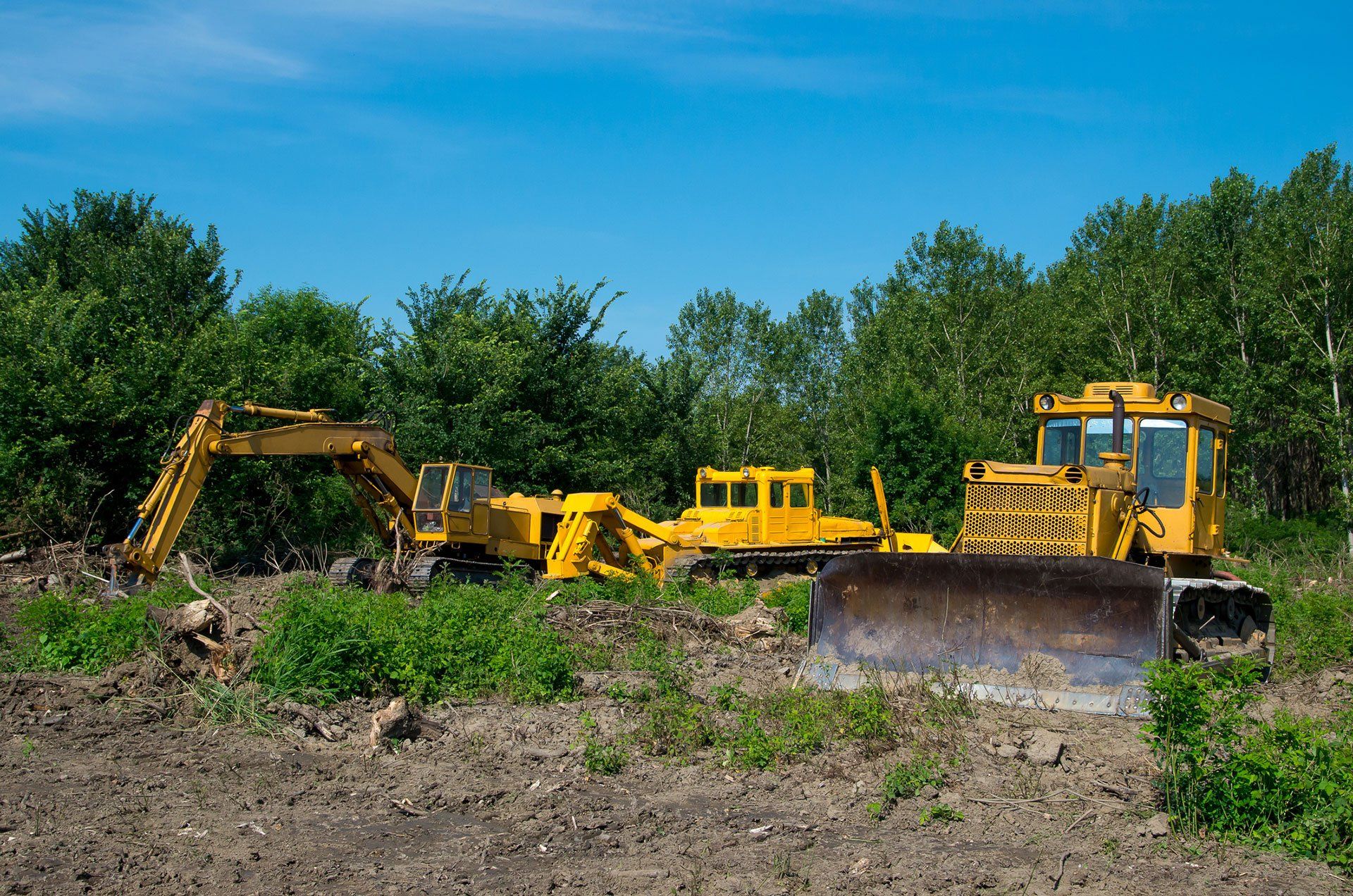
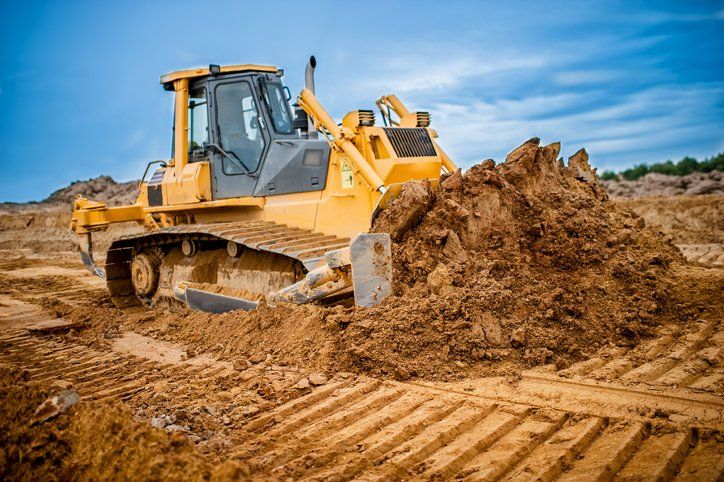
- Bulldozing: Fast and thorough, but can disturb soil structure
- Cut and grind: More precise, ideal for residential lots
Each option comes with trade-offs, so choosing the right method depends on your property and long-term plans.
3. Permits & Regulations Can Slow You Down
One of the biggest surprises? You often can’t just start clearing.
Depending on your location, you may need:
- Environmental permits
- Tree removal approvals
- Erosion control plans
Skipping this step can lead to fines or project delays. Proper planning and compliance are essential before any land clearing begins.
4. Costs Vary More Than You Think
Many first-time property owners underestimate the cost of land clearing.
Pricing depends on:
- Vegetation density
- Property size
- Terrain difficulty
- Clearing method used
A key tip: the cheapest option upfront isn’t always the best. Poor clearing can lead to expensive fixes later.
5. Timing Matters More Than You Realize
When you schedule land clearing can impact everything from cost to efficiency.
- Fall and winter often offer better conditions and pricing
- Spring can bring muddy ground and delays
- Summer may increase costs due to high demand
Seasonal factors like soil moisture and weather conditions directly affect how efficiently your land can be cleared.
6. Environmental Impact Is Real (& Manageable)
Land clearing has environmental consequences, especially if done improperly.
Potential issues include:
- Soil erosion
- Habitat disruption
- Nutrient loss in soil
The good news? Responsible land clearing practices—like erosion control and selective clearing—can minimize these impacts.
7. DIY Isn’t Always Cheaper
It’s tempting to tackle land clearing yourself, especially on smaller properties.
But here’s the reality:
- DIY projects often take significantly longer than professional work
- Equipment costs add up quickly
- Mistakes can lead to long-term property damage
For anything beyond clearing light brush, hiring professionals is usually the safer and more cost-effective choice.
8. Clearing Is Just the Beginning
Many new property owners think the job ends once the land is cleared. It doesn’t.
After land clearing, you may still need:
- Grading and leveling
- Drainage solutions
- Ongoing maintenance to prevent regrowth
Without proper follow-up, vegetation can quickly return and undo your investment.
Final Thoughts: Go In Prepared, Not Surprised
Land clearing is one of the most important steps in transforming raw land into a usable property—but it’s also one of the most underestimated.
For first-time property owners, the key takeaways are simple:
- Plan more than you think you need to
- Choose the right method for your goals
- Work with experienced professionals
When done right, land clearing sets the foundation for everything that comes next. When done wrong, it can create problems that last for years.
If you’re ready to move forward with your project, the team at All Tractor & Site Work, Inc. is here to help. From expert land clearing to full site preparation, we have the experience and equipment to get the job done right the first time.
Contact our professionals in Ocala, FL today to discuss your property and get started with confidence.